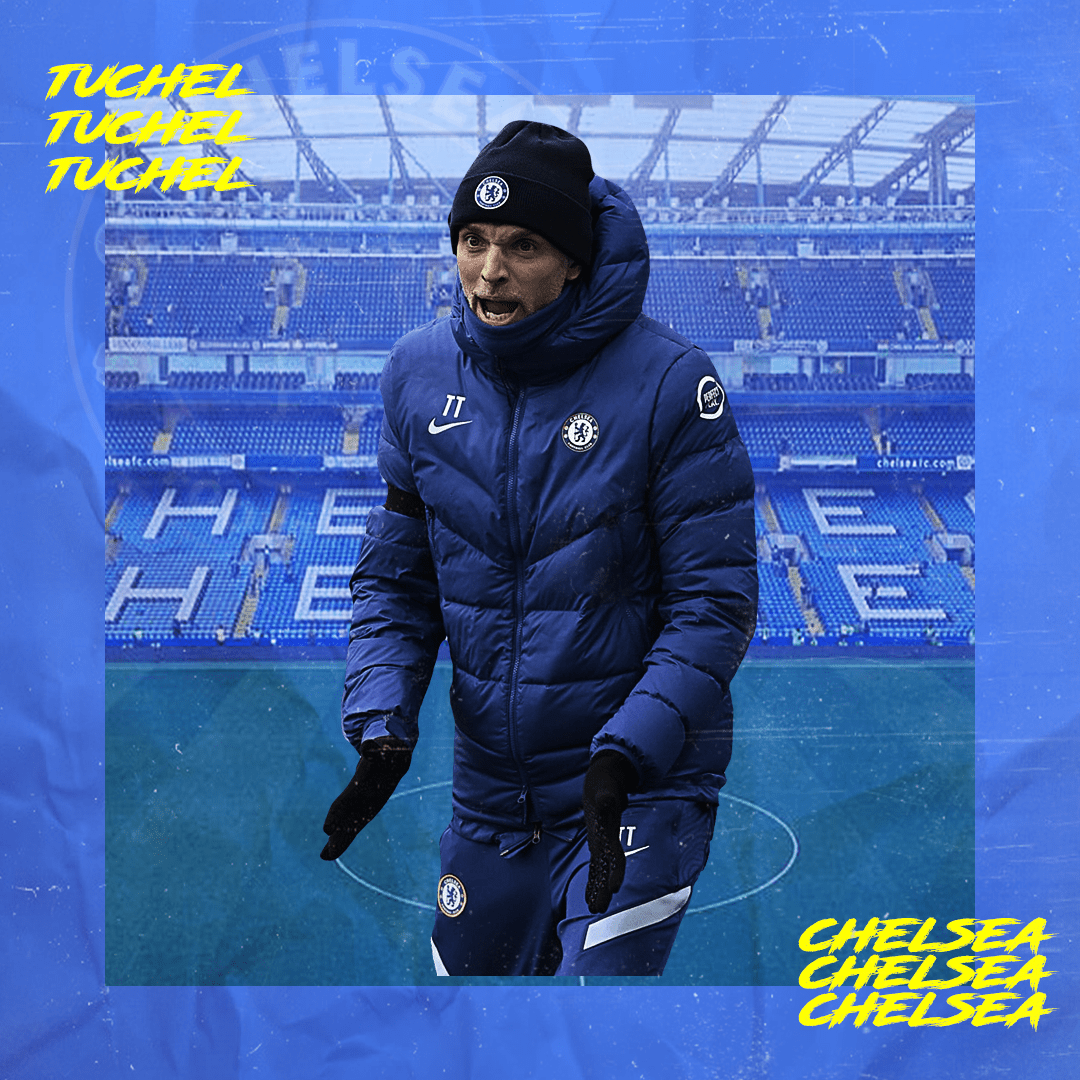
The managerial career of Thomas Tuchel is a funny old thing. His five years at Mainz saw him tasked with continuing the legacy Jurgen Klopp: the high press, the hard running, the flexibility needed in his tactics to change style when the opposition demanded it. His stint at Borussia Dortmund, where he again incorporated a club inhabiting off Klopp’s pressing philosophy, was punctuated by boardroom fallouts which ultimately lead to his demise. But this still earned him a chance at the Paris Saint-Germain job.
Though his tenure in the French capital often felt more like war than sport, a job where you constantly have to battle with a place of malaise and discord, a fanbase and culture that is never satisfied despite having all the money and trophies a French team could want. Even when winning, they never seem to be enjoying themselves.
And despite leading them to a first ever Champions League final last summer, Tuchel still ultimately ran his tenure into the ground. To succeed as a PSG coach is to find the right balance: to not only win silverware but also control the internal conflicts at the club. But Tuchel just wants to coach football and win.
So finally, enter Chelsea. Tuchel now has to prove he can get the best from Chelsea’s multimillion pound signings, not least £52m signing Timo Werner. Werner finally ended a barren run of 1,000 minutes without a Premier League goal, after finding the net against a flailing Newcastle United. Werner, and his Chelsea teammates, are finally reaping the rewards of a manager who will trust his style of play and tactics.
There was a moment just two minutes into Chelsea’s game against Newcastle on Monday night where The Blues produced a delicate little blueprint of how Tuchel is going to make them play. Timo Werner operating extremely wide on the left flank, meaning the resurgent Marcos Alonso can tuck inside and act as another attacker.
It took just two minutes for Alonso to thunderously strike a ball into Karl Darlow’s hands, a player who for all his many qualities never looks happier than when trying to leather a football as hard as he possibly can. No player on the pitch had more shots than Alonso’s five. Alonso, starved of a first team start since September before Tuchel arrived, looks eager to make up for lost time.
Credit must go to Tuchel, too, for getting better performances from Timo Werner. It appears a simple tactical shift from Frank Lampard’s favoured 4-3-3, to playing Werner as an inside left, is all that was needed. It’s the position he played well at RB Leipzig and subsequently got his move to Stamford Bridge.
This is a player who now has a coach who is already starting to get the best out of him. Tuchel is a stubborn manager who trusts his process. It seems Werner is invested. Tuchel’s task at hand with Chelsea is not only to get Chelsea back fighting for domestic trophies, but to get their money’s worth out of their star signings. Chelsea is a business, and when it feels a manager is devaluing the players the club signed, it acts quickly.
Which is what ultimately cost Frank Lampard his job. A tenure riven by discord, scarred by multiple defeats and only one win in his last five, lacking not just an identity but the most basic idea of what that identity might have been. His tactics and philosophy confused Timo Werner and Kai Havertz. His inability to utilise £72m goalkeeper Kepa Arrizabalaga upset the club’s hierarchy. Lampard could refuse to comment on his team’s lack of confidence and pinpoint it on journalists close to Chelsea. He could ridicule the idea that there was an unhappy dressing room as a distraction or media fixation. He could pretend not to pay attention to any rumours of an angry boardroom. What he couldn’t do – fatally – was unsee it.
The deciding factor in Tuchel’s success at Chelsea, then, will be to overcome the test that has ultimately sank each of his most recent predecessors: to brush aside the noise. To set reputations to one side. To block out the critics who may question tactics or philosophy. To keep players onside. And to – ultimately – create a club not one at war with itself but one in unison.
 Alex's Sports Column